
Start typing a word...
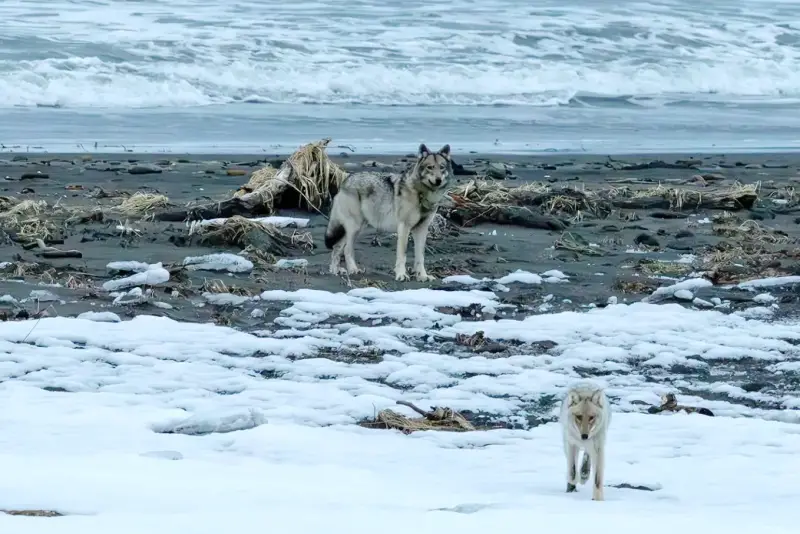
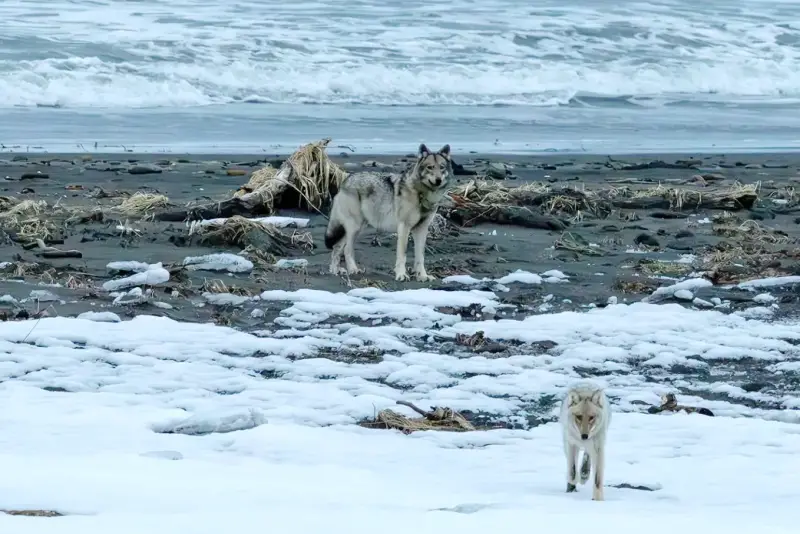
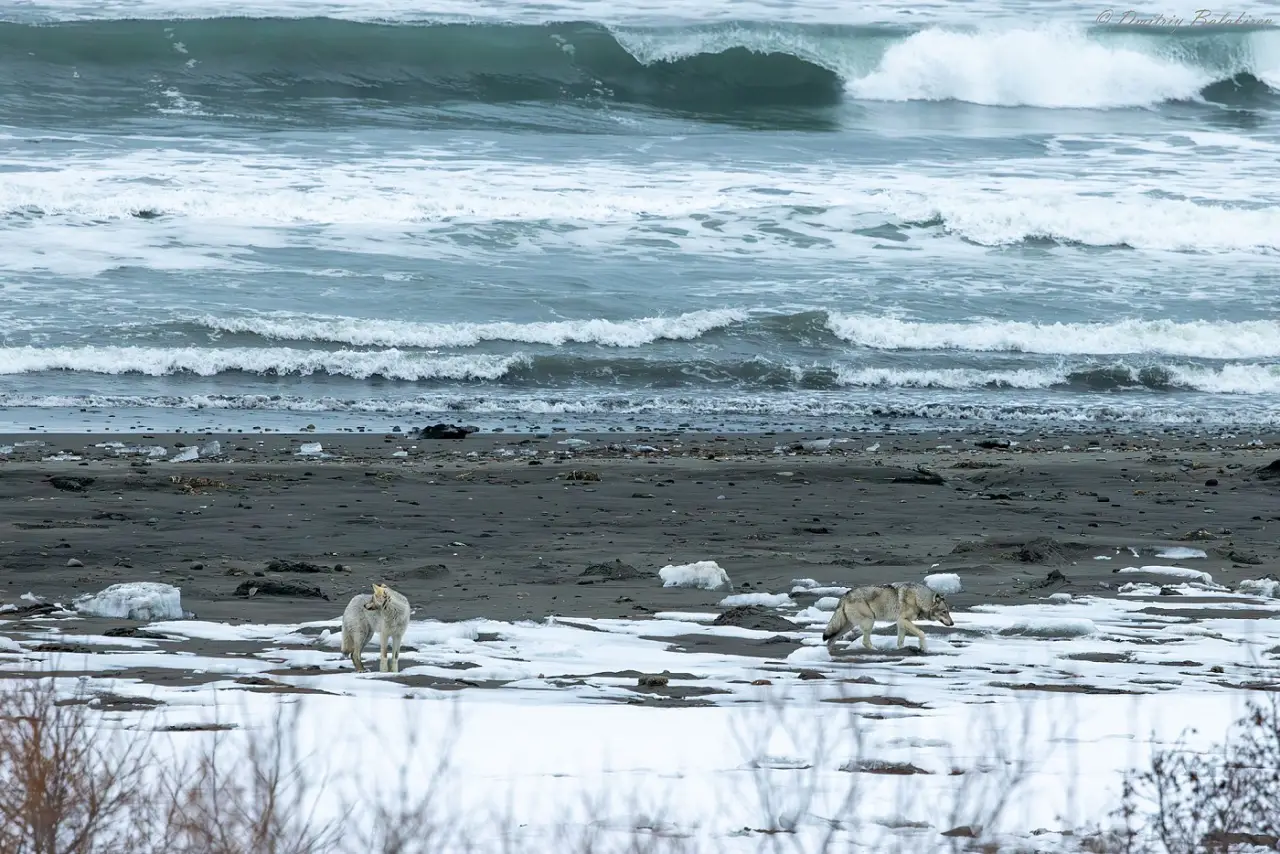
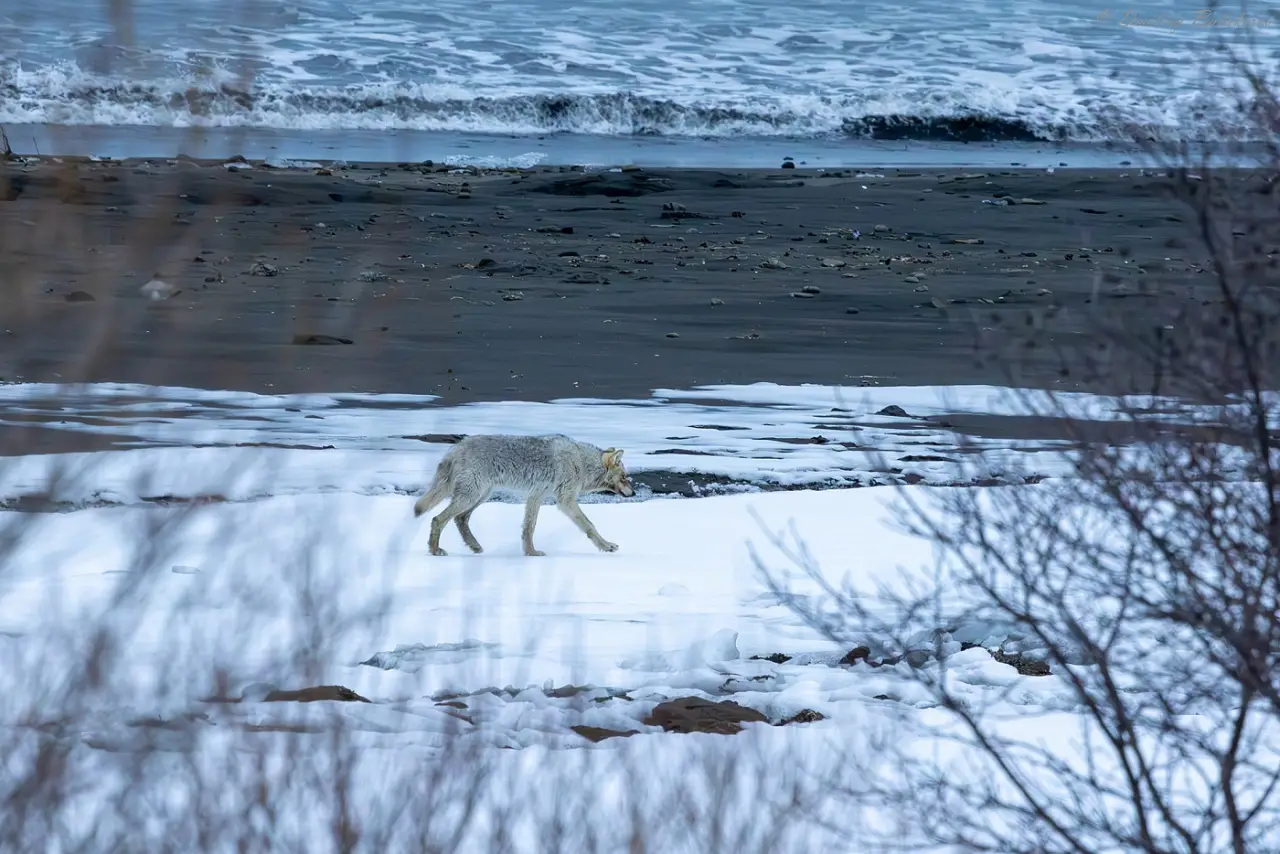
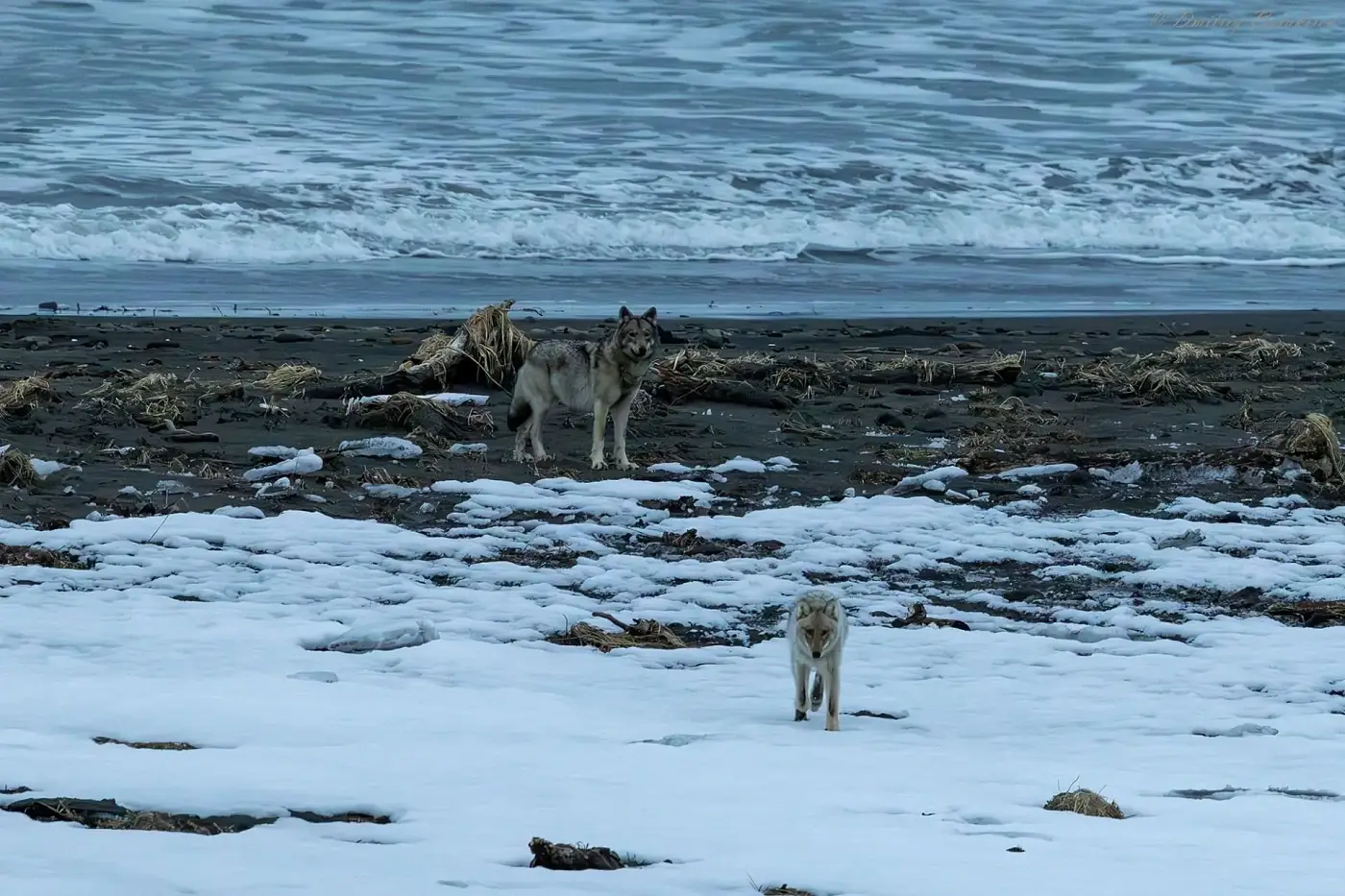
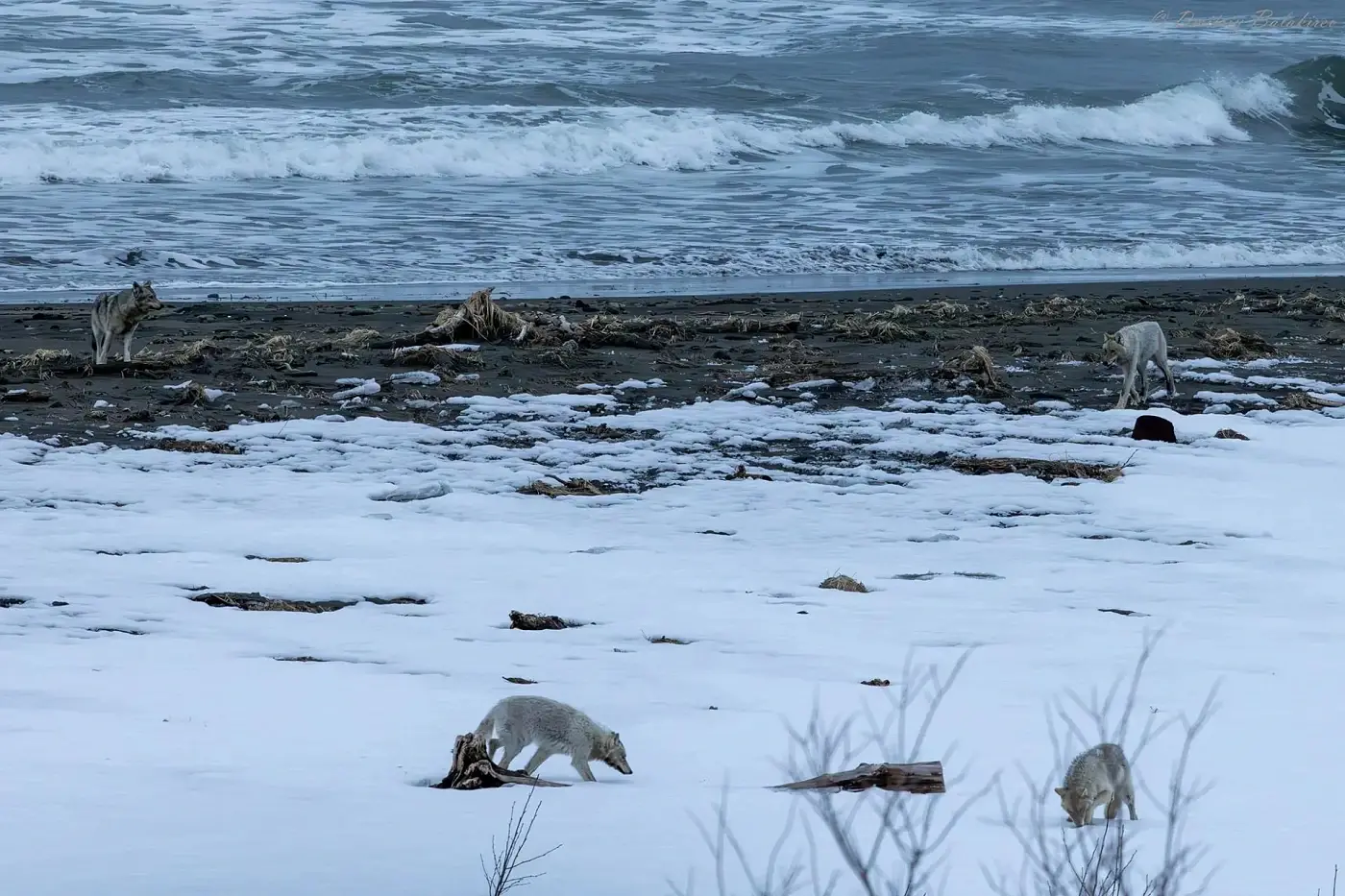
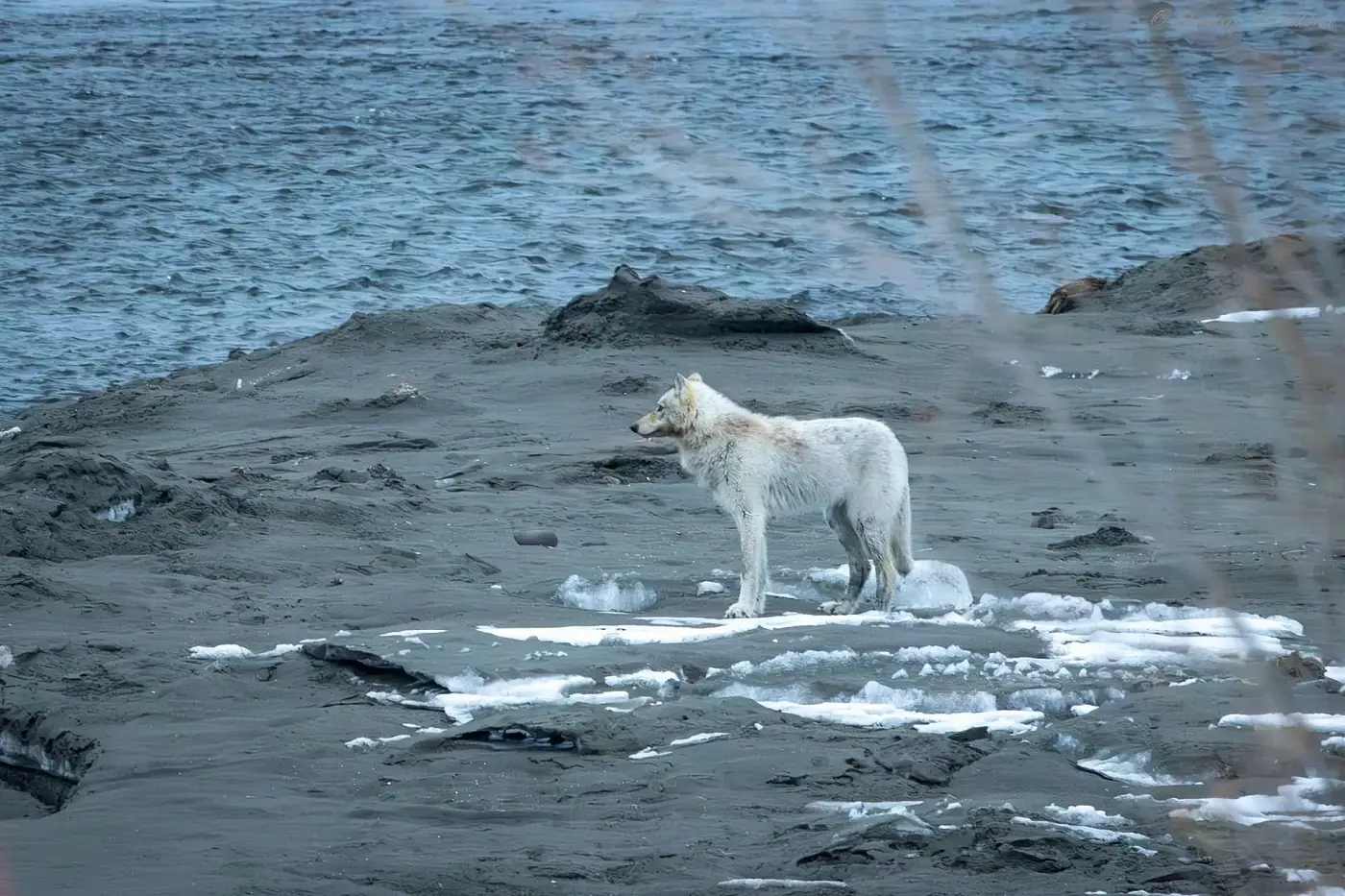
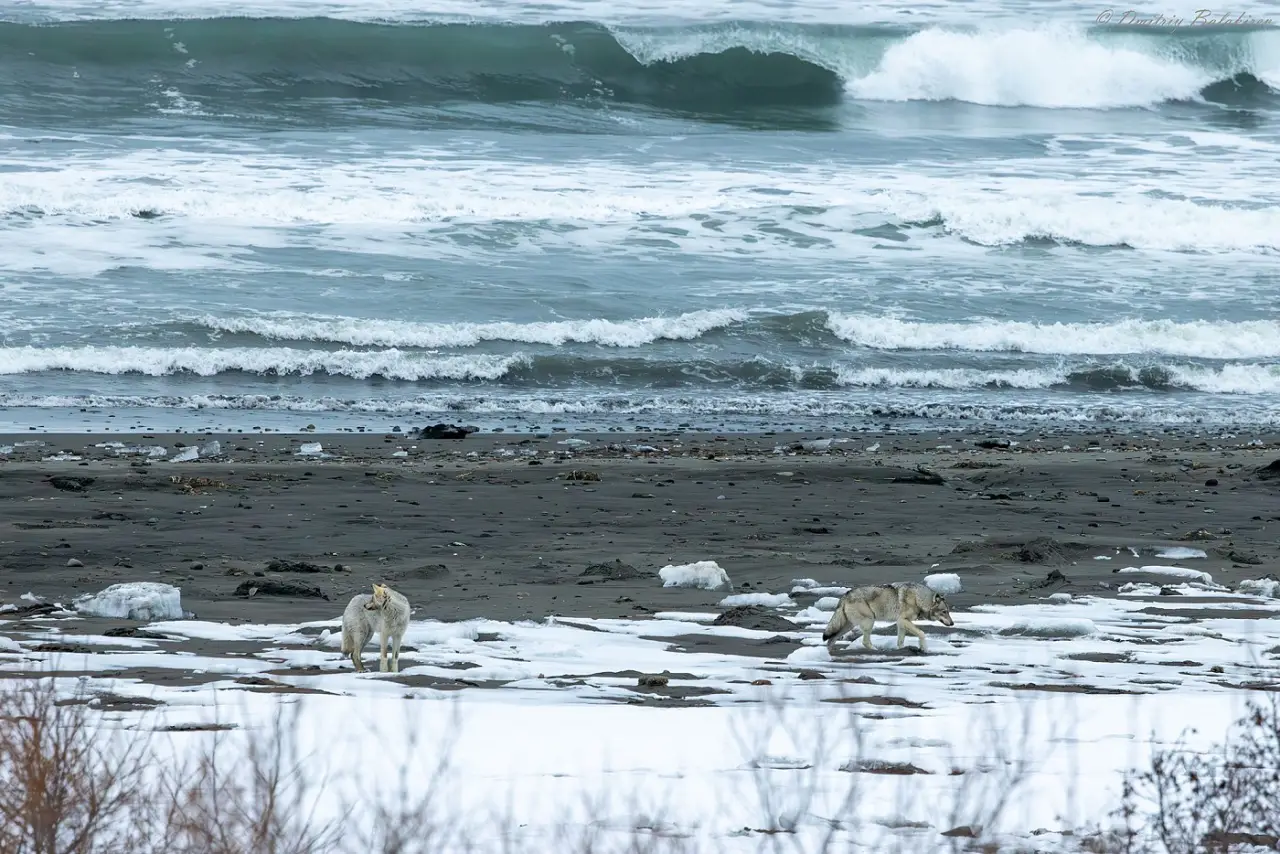
A wolf pack was spotted patrolling the shore of Olga Bay in the Kronotsky Nature Reserve on Kamchatka
Mar 23, 2026
The predators were captured on camera by the reserve's staff — state inspector Dmitry Balakirev and researcher Evgenia Volkova. According to the observers, wolf tracks are regularly found in the area, suggesting that this section of the coastline is part of their route.
Filming the wolves proved challenging at first. A camera trap initially captured a large lone "scout," and a few days later, the entire pack appeared on the shore: one powerful male and three younger individuals.
"In the morning, Dmitry looked out the window and spotted two wolves. We immediately grabbed a camera and binoculars. We counted three, and then a fourth appeared. They headed toward the mouth of the Olga River, but the crossing had been washed away by rains. The predators decided not to swim across; they ran along the shore for a bit, sniffed around, and headed back toward the Tatiana River," Evgenia Volkova recounted.
According to researchers, this was likely a female with a litter of nearly year-old cubs searching for food among the sea debris. Wolves are pack animals, and the young may remain with their parents for life.
Photo: Dmitry Balakirev / Kronotsky Nature Reserve Press Service
Photos

Number of views: 104
Comments(0)