
Start typing a word...
Entry Rules for Russia in 2026 and Preparing for a Trip to Kamchatka
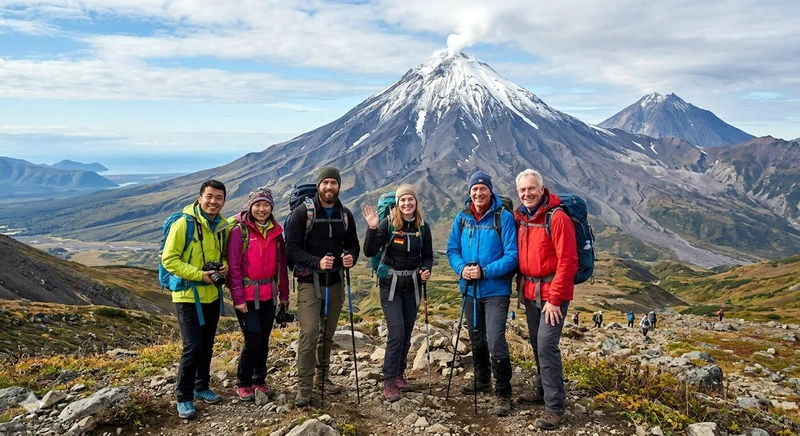
Kamchatka remains one of the most remote and nature-rich regions of Russia. Volcanic landscapes, Pacific coastlines, fishing routes, and expedition tours continue to attract travelers from Europe, Asia, and North America each year.
Before traveling, it is essential to study the current entry rules for the Russian Federation, flight logistics, financial restrictions, and gear requirements for exploring the Kamchatka region.
Visa Policy and Entry Rules for Russia in 2026
The entry procedure for the Russian Federation depends on the traveler’s nationality and existing international agreements.
Unified Electronic Visa (e-Visa)
A Unified Electronic Visa system is available for citizens of several countries.
As of August 2025, the following changes have been implemented:
-
e-Visa validity period – extended to 120 days;
-
Allowed length of stay – up to 30 calendar days.
The e-Visa is obtained remotely through the official portal of the Russian Ministry of Foreign Affairs. The application generally requires:
-
A valid international passport;
-
A digital photograph;
-
Medical insurance;
-
A completed application form.
It is recommended to submit the application no later than 4 calendar days before entry.
Official portal:
https://evisa.kdmid.ru
The list of countries whose citizens are eligible for the e-Visa is published on the Russian MFA website and is subject to change.
Entry for U.S. Citizens
U.S. citizens are not currently eligible for the Unified Electronic Visa. They must obtain a standard visa through Russian consular posts.
To obtain a tourist visa, the following are generally required:
-
A valid international passport;
-
A completed visa application form;
-
Medical insurance;
-
A tourist invitation (voucher) from the host party.
Up-to-date information is available on the website of the Consular Department of the Russian MFA:
https://kdmid.ru
Biometric Control for Foreign Citizens
Russia is conducting an experiment requiring the collection of biometric data from foreign citizens when crossing the state border at designated checkpoints.
Participating points of entry include:
-
Sheremetyevo Airport;
-
Domodedovo Airport;
-
Vnukovo Airport;
-
Zhukovsky Airport;
-
Several other border checkpoints.
The procedure includes:
-
Digital photography;
-
Fingerprinting.
Before traveling, it is recommended to verify current rules on official government resources.
Source:
http://publication.pravo.gov.ru
Migration Registration
Foreign citizens are required to register for migration control at their place of stay within the legally established timeframe.
When staying in hotels, tourist bases, or official accommodations, the host party typically handles the registration.
Flying to Kamchatka in 2026
International Routes
Direct air service between Russia and many Western countries is restricted, so most routes operate via transit hubs.
The most common layover options are:
-
Istanbul;
-
Dubai;
-
Doha;
-
Belgrade.
From these cities, regular flights to Moscow are available.
Flight Moscow – Petropavlovsk-Kamchatsky
The main airport serving Kamchatka is Yelizovo Airport (PKC).
Regular direct flights between Moscow and Petropavlovsk-Kamchatsky are operated by Russian airlines, including Aeroflot.
Average flight time: approximately 8–9 hours.
Financial Restrictions and Payments in Russia
Foreign-issued Visa and Mastercard bank cards generally do not work within Russian territory.
Possible Payment Methods
Cash
Travelers often bring U.S. dollars or euros in cash and exchange them for Russian rubles at local banks or exchange offices.
Cash amounts exceeding the equivalent of 10,000 USD must be declared in writing upon entry.
Source – Russian Federal Customs Service:
https://customs.gov.ru
Mir Bank Cards
Some Russian banks offer foreign citizens the option to obtain a local bank card linked to the Mir payment system.
It is recommended to check terms and availability directly with banks in advance.
Preparing for Travel Within Kamchatka
Kamchatka’s climate is characterized by high humidity, strong winds, and rapid weather changes. Even in summer, temperatures in mountainous areas can drop sharply.
For volcanic routes and backcountry travel, a layered clothing system is strongly recommended.
Clothing and Footwear
Base Layer
-
Synthetic thermal underwear;
-
Moisture-wicking fabrics;
-
At least two sets.
Mid Layer
-
Fleece jacket;
-
Insulating layer for rest stops and cold weather.
Outer Layer
-
Membrane (waterproof/breathable) jacket;
-
Water-resistant pants;
-
Protection against wind and prolonged rain.
Footwear
For volcanic terrain, recommended footwear includes:
-
High-cut trekking boots;
-
Stiff sole;
-
Ankle support;
-
Deep tread lugs.
Boots should be broken in before the trip.
Additional Gear
Commonly used gear for Kamchatka travel:
-
Trekking poles;
-
Dry bags;
-
Daypacks (30–40 liters);
-
External power banks;
-
Sunglasses;
-
SPF 50+ sunscreen.
UV radiation levels on volcanoes and snowfields can be significantly higher than in urban areas.
Fishing Tours in Kamchatka
Kamchatka is widely regarded as one of Russia’s premier sport fishing destinations.
Fishing programs typically require:
-
Waders;
-
Wading boots;
-
Waterproof clothing;
-
Polarized sunglasses.
Before traveling, anglers should verify:
-
Local sport fishing regulations;
-
Licensing requirements;
-
Seasonal restrictions.
This information is published on regional websites and tour operator portals.
Safety in Kamchatka’s Backcountry
Insects
During summer, certain areas of Kamchatka have high levels of:
-
Mosquitoes;
-
Black flies (midges);
-
Gnats.
Recommended protection includes:
-
DEET-based repellents;
-
Mosquito head nets;
-
Full-coverage clothing.
Wildlife
Brown bears inhabit Kamchatka. Travelers are advised to:
-
Avoid traveling alone in remote areas;
-
Follow all guide instructions;
-
Make noise when moving through dense vegetation;
-
Store food according to camp safety protocols.
Active defense devices and signal equipment must be acquired and transported in full compliance with current legal requirements.
Official Information Sources
Ministry of Foreign Affairs of the Russian Federation:
https://mid.ru
Consular Department of the Russian MFA:
https://kdmid.ru
Unified e-Visa Portal:
https://evisa.kdmid.ru
Federal Customs Service of Russia:
https://customs.gov.ru
Official Internet Portal of Legal Information:
http://publication.pravo.gov.ru
Russian Ministry of Emergency Situations (Kamchatka Krai):
https://41.mchs.gov.ru
Association of Tour Operators of Russia (ATOR):
https://www.atorus.ru